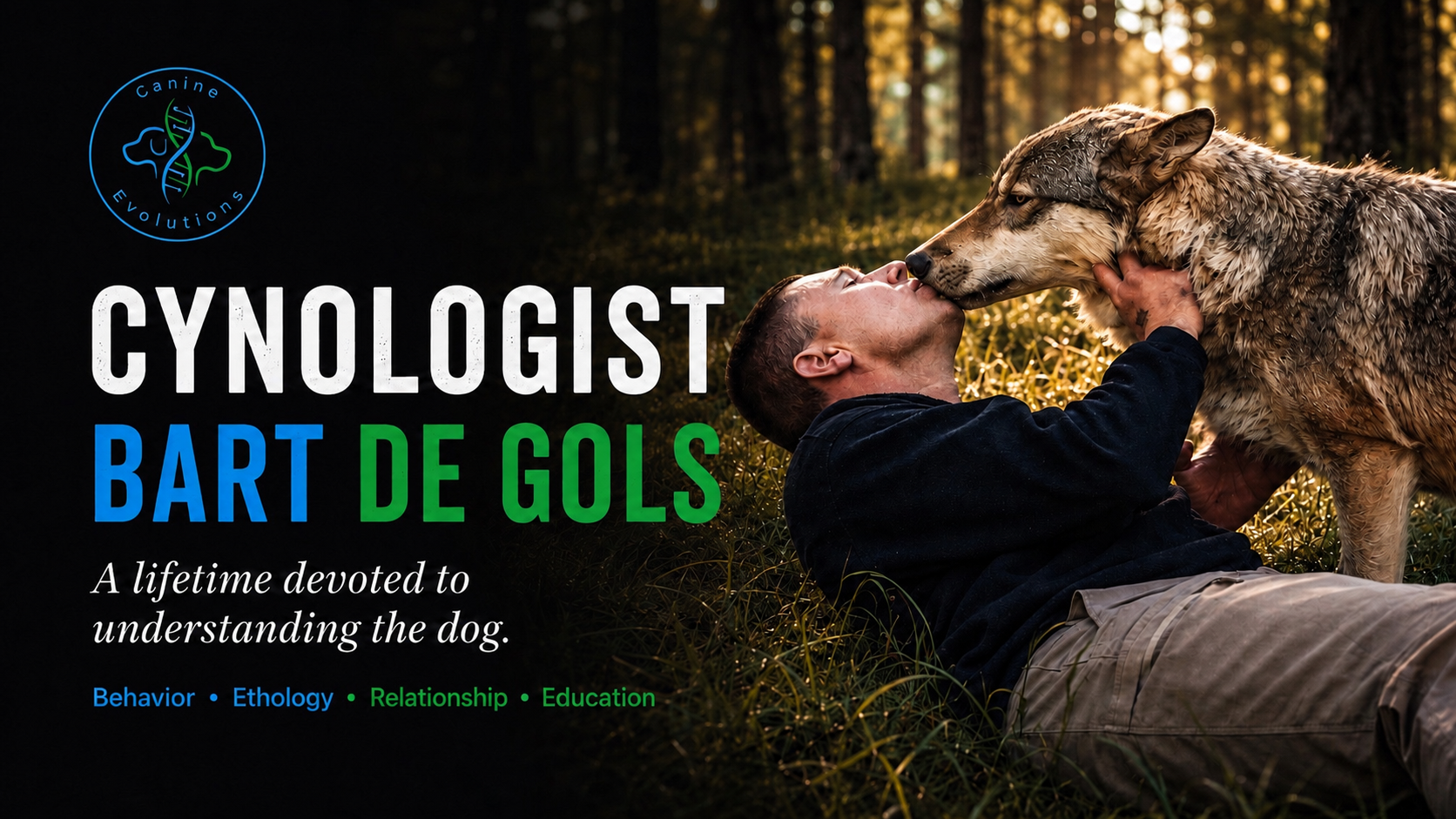
Cynologist Bart de Gols
I’m Bart de Gols, founder of Canine Evolutions in Toledo, Washington, in the foothills of Mount Saint Helens and Mount Rainier.
I built Canine Evolutions for people who are tired of feeling lost. People who love their dogs, have tried to do the right thing, and still find themselves dealing with stress, reactivity, anxiety, or a dog that “knows the commands” but falls apart in real life.
Having grown up with a genuine love for animals, especially dogs, my fascination with the canine species began early in my life. My natural connection with dogs, coupled with an innate curiosity to understand their behavior, led me to pursue a career in cynology – the study of dogs.
I devoted decades to studying the intricate complexities of canine behavior, psychology, and training methods. I immersed myself in academic programs, attended many seminars, and sought out scientists and mentors who shared my passion for understanding and communicating with dogs effectively.
If you’re here because you’ve trained somewhere else before and it didn’t stick, you’re not alone. Most dogs aren’t “bad.” Most owners aren’t “lazy.” Most of the time the plan simply didn’t match the dog, the environment, or the reality of daily life.
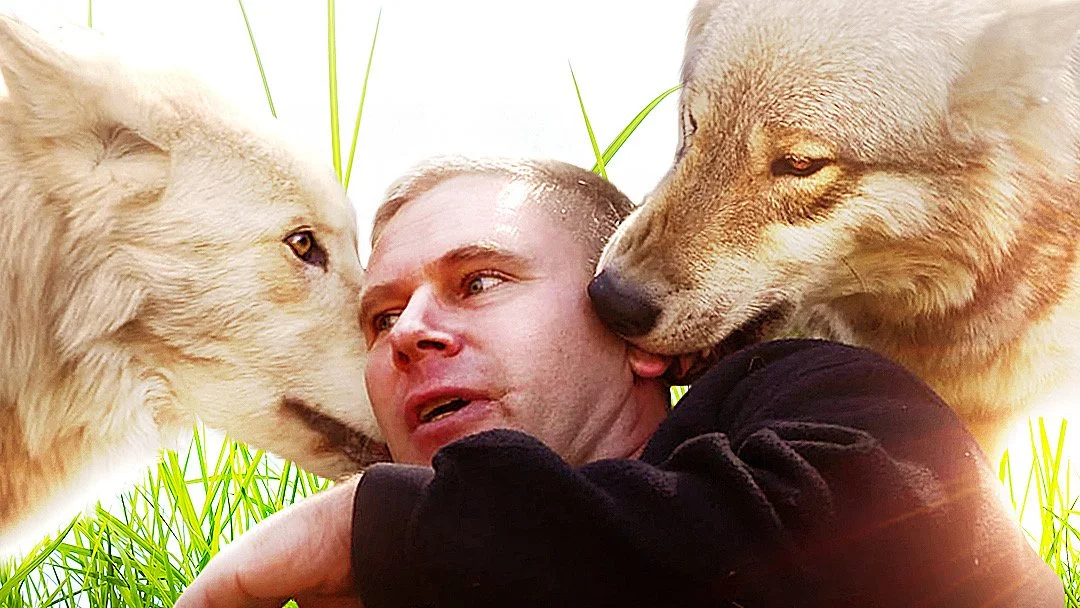
Cynologist Bart de Gols with a Canis Lupus and Canis Lupus Aktros
Our Story
Canine Evolutions started with one core idea: training should create real-life change, not temporary performance.
I’ve seen too many dogs pushed through systems that look good on paper but don’t hold up under stress. I’ve also seen owners blamed for things they were never taught to understand. That gap—between what people are told and what actually works—became the reason I chose this path.
This isn’t about trends. It’s about building a relationship that produces reliability, stability, and trust.
My Approach
My approach is relationship-based, but it is not “soft.” It is grounded.
The work at Canine Evolutions is informed by cynology (the study of the dog as a species and as an individual), behavioral science, and the fundamentals of neuroscience and stress physiology—because behavior does not happen in a vacuum. It happens inside a nervous system, shaped by genetics, learning history, environment, and the emotional state of the moment.
That’s why I don’t train by template. I meet your dog where they are, I look at what’s actually happening in your day-to-day life, and I build a plan you can follow.
Some dogs need foundation skills and better structure. Some dogs are anxious, reactive, or overwhelmed and need a calmer, more careful path. Either way, we don’t chase symptoms or stack random techniques. We identify what is driving the behavior, reduce the patterns that keep it rehearsed, and build new habits that hold up in real life.
And because the human is part of the environment, I also educate the human. Dogs read timing, pressure, consistency, and emotional state long before they respond to a cue. When the handler becomes clearer, calmer, and more consistent, the dog’s capacity to learn expands dramatically. The goal is not just a trained dog—it’s a stable relationship that can handle real-world stress.
You won’t leave with vague advice. You’ll leave with clear steps, practical homework, and a realistic path forward—whether that means private coaching, a behavior plan, board & train, or long-term support.
What I Help With
I work with a wide range of dogs and situations—from foundations to high-complexity cases.
Foundation & Lifestyle Training
• leash pulling, manners, engagement, and obedience foundations
• adolescent chaos and impulse control
• reliability around distractions and real-life structure
Behavior Modification (Specialty / Severe Cases)
I specialize in dogs that are living in a heavier behavioral reality, including:
• severe reactivity and aggression patterns (dog-directed and human-directed)
• anxiety disorders, panic responses, and chronic hypervigilance
• phobias (noise, environments, objects, handling)
• trauma histories, shutdown behavior, and recovery work
• guarding patterns and conflict behaviors
• separation-related distress
These cases require careful structure, safety planning, and a plan that is based on the whole picture—not just a correction or a cookie.
Service Dog Programs
When appropriate, I also work with task-based training and long-term development for service dog programs, including dogs being trained to support medical or psychiatric needs. These programs require a higher standard of reliability, stability, and real-world proofing.
Every dog is different. Every household is different. The plan must fit real life.
Education and Resources
I believe owners deserve education, not just instructions. That’s why I publish free long-form articles and educational resources through Canine Evolutions—so people can learn, even before they ever book a session.
If you want to work with me, the process is simple: we start with an evaluation so I can see the full picture and recommend the right path.