reactivity

Reactivity vs. Aggression: The Neuroscience of Canine Outbursts

Reactivity vs. Aggression: The Neuroscience of Canine Outbursts

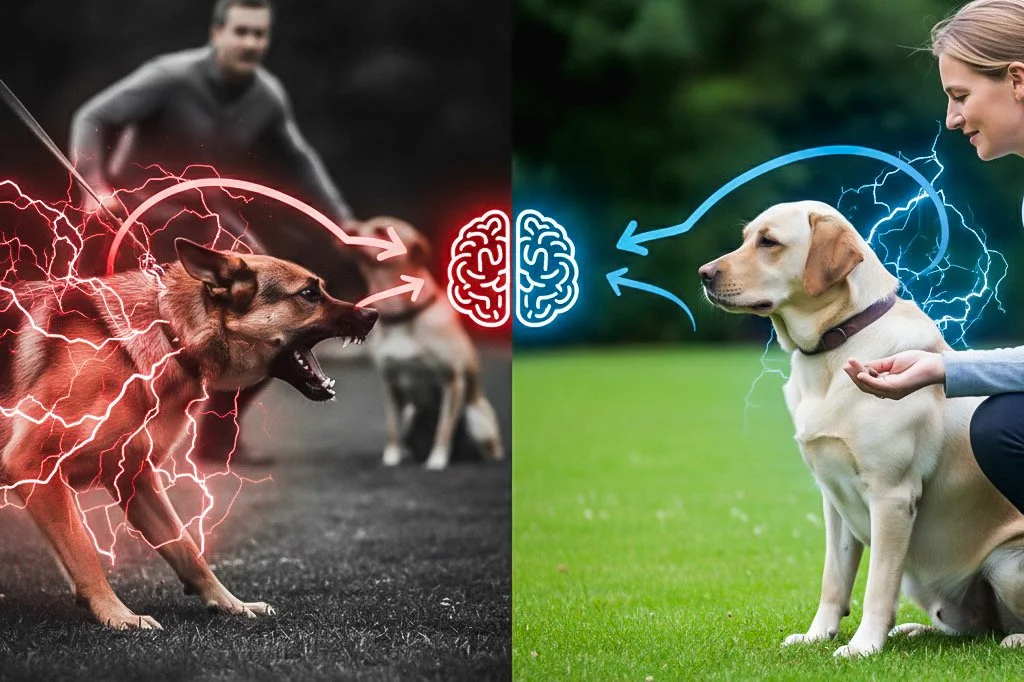
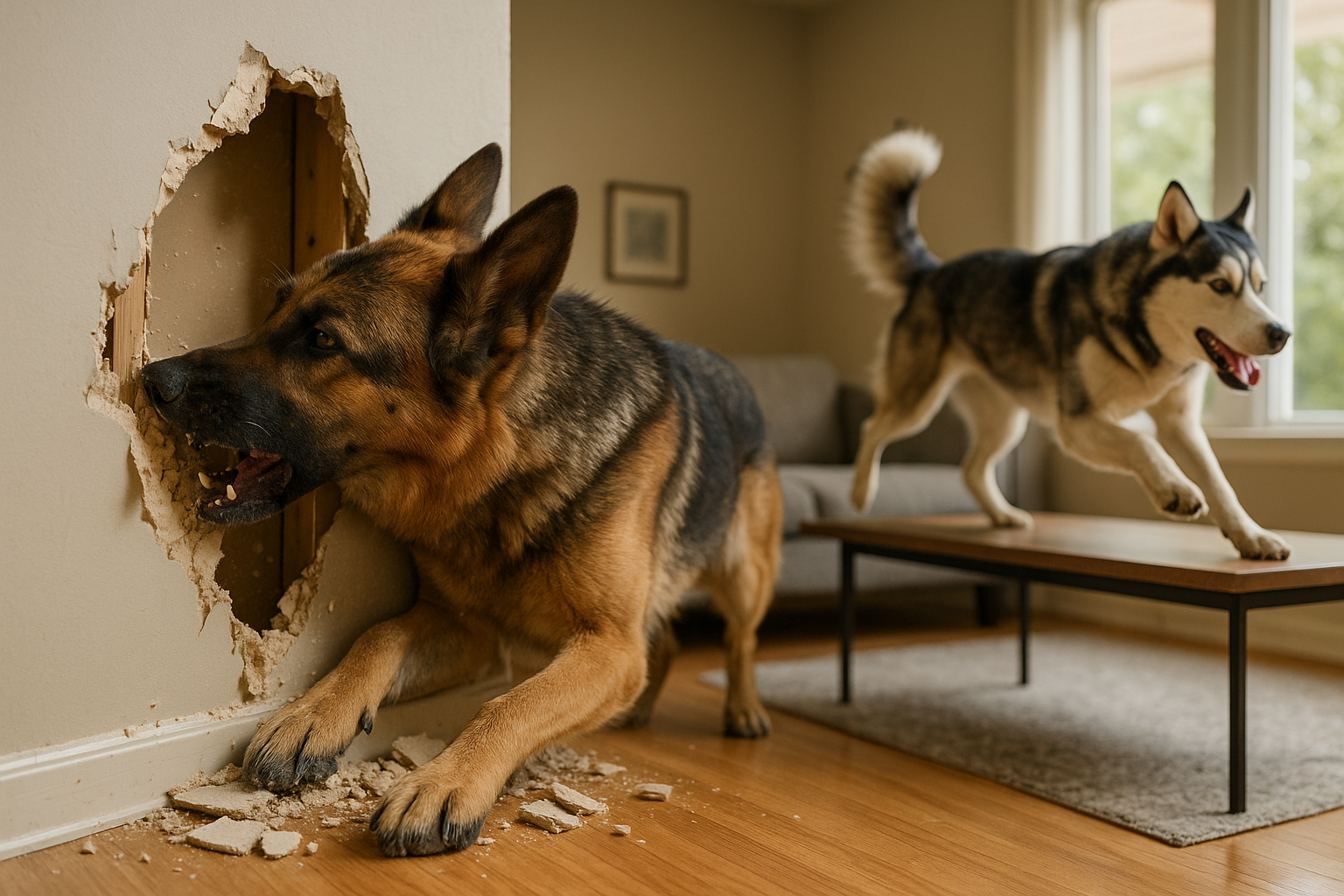
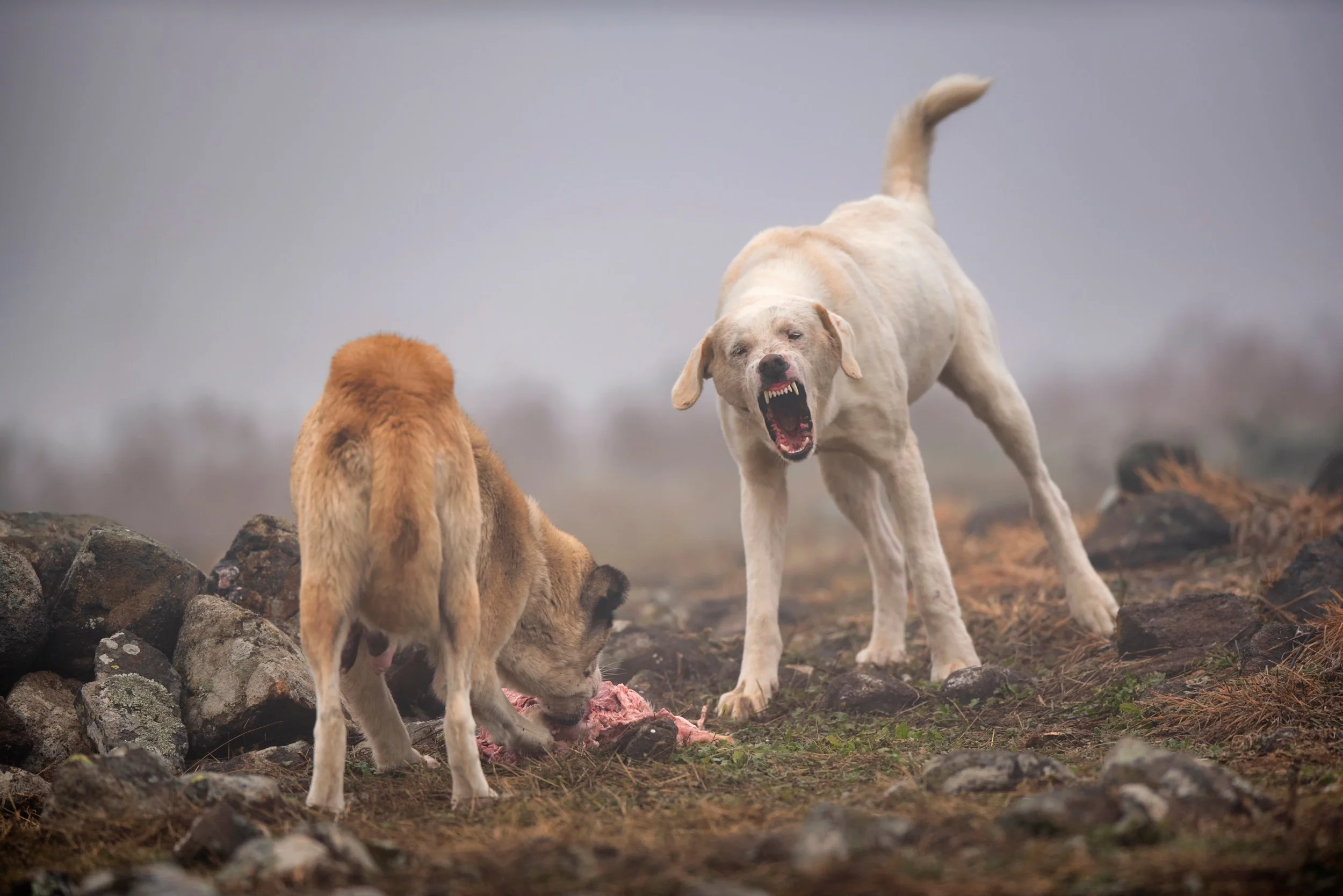
The most catastrophic misdiagnosis I see in my work is the conflation of reactivity with aggression. One is a physiological reflex; the other is a learned strategy. In this article, I dissect the critical neurological difference between what I call the Primal Mind—the reflexive, amygdala-driven survival system—and the Cognitive Mind, which is the prefrontal cortex, the center of decision-making and intention. A reactive dog is a dog whose Primal Mind has hijacked its nervous system, often due to a high allostatic (stress) load, leaving it drowning in cortisol and unable to access its 'thinking' brain.

I also explore the tragic slide of how chronic, unmanaged reactivity becomes learned aggression, and how the handler's own nervous system—our own stress and tension—creates a devastating neuroceptive feedback loop that co-regulates our dog's panic. Understanding this biology is not academic; it is the only way to formulate a correct intervention. I provide the specific neurological protocols for both: how we rewire the Primal Mind's emotional association using counter-conditioning, and how we reroute the Cognitive Mind's learned strategy using a combination of differential reinforcement and safe, non-confrontational negative punishment. This is the science of moving from chaos to clarity.

The Cost of Cute - Neurological and Behavioral Challenges in Miniature Breeds

The Cost of Cute - Neurological and Behavioral Challenges in Miniature Breeds

As a cynologist, I have dedicated my life to understanding canine behavior, not just the surface-level actions we observe but the intricate neurological and genetic mechanisms that drive those behaviors. Every bark, every growl, every anxious glance stems from a complex interplay of brain structures, neurochemical processes, and evolutionary history. Today, I want to address a topic that is often overlooked or misunderstood: the hidden costs of miniaturizing dog breeds.

While many people are drawn to these smaller companions because they fit seamlessly into modern urban lifestyle's requiring less space, less food, and often seen as easier to manage, there is an unseen complexity beneath their adorable appearances. This complexity is not limited to physical traits like smaller bodies or rounder faces; it extends deep into their neurological architecture, affecting their brains, behaviors, emotional stability, and overall well-being.

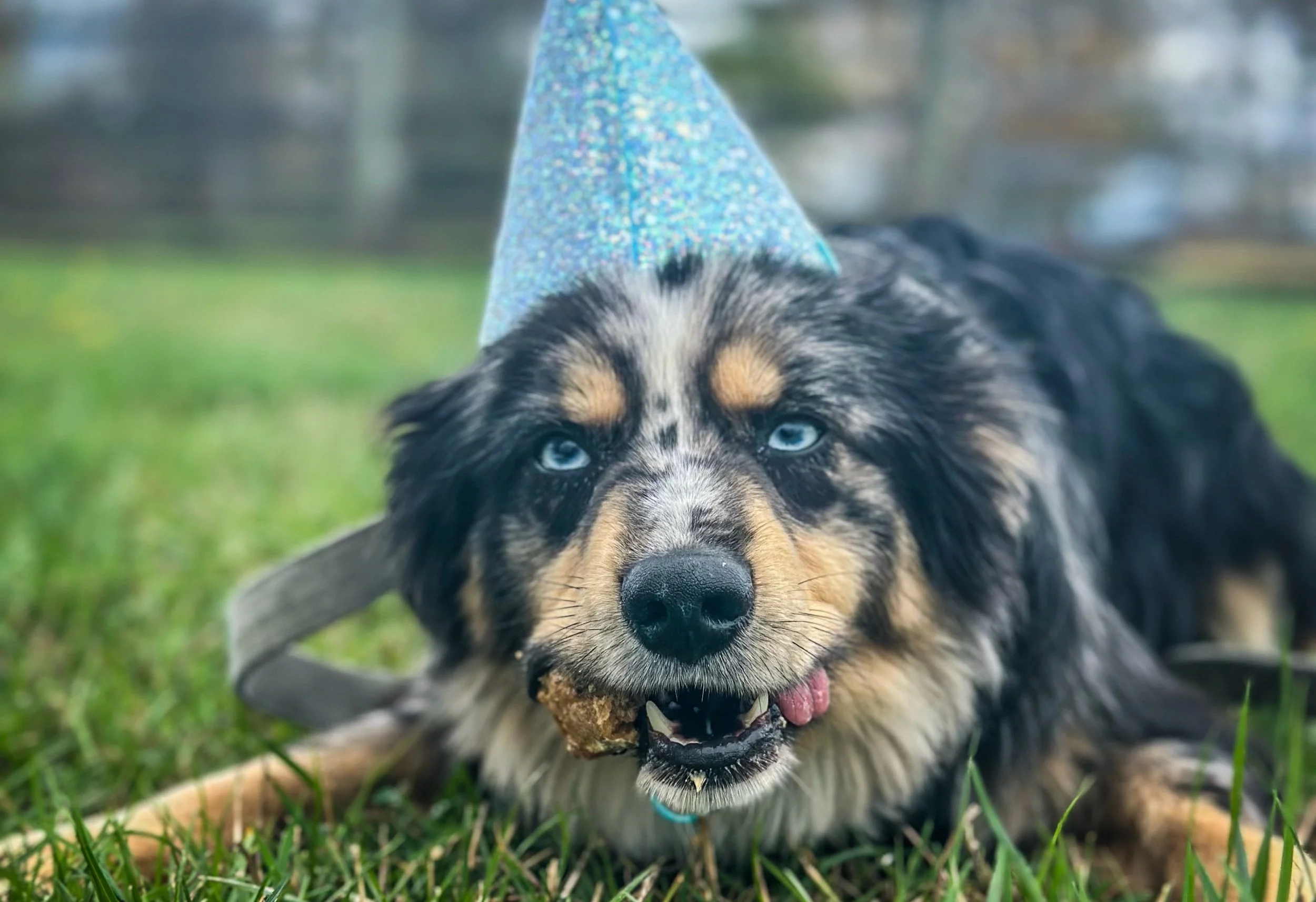
Take Tater Tot, for example, a two-year-old Miniature Australian Shepherd currently enrolled in a behavior modification program designed to increase his cognitive abilities. Despite his playful demeanor and undeniable charm, Tater Tot faces daily challenges rooted not in poor training or a difficult temperament, but in the very genetics that shaped his miniature stature. His struggles with impulse control, heightened reactivity, and anxiety are symptoms of deeper neurological imbalances tied directly to the process of miniaturization.

Tater Tot's journey is not unique. Many miniature breeds experience similar behavioral challenges, yet the root causes are rarely acknowledged. This article aims to pull back the curtain on these hidden factors, explaining the underlying genetic, neurological, and evolutionary issues that contribute to dogs like Tater Tot facing difficulties that go far beyond simple training problems.

In this article I will guide you through the scientific landscape of canine miniaturization. We will explore how selective breeding for smaller sizes has far-reaching consequences on neuroanatomy, behavior, and cognitive function. We will dive deep into the roles of the amygdala, prefrontal cortex, and neurochemical imbalances that create a brain more prone to anxiety, impulsivity, and reactivity.

But this isn't just an academic exercise. Understanding these principles can empower breeders to make more ethical choices, help veterinarians recognize the biological roots of behavioral issues, and, most importantly, provide dog owners with the tools and knowledge needed to support their dogs effectively. Tater Tot's story, and the science behind it, illustrates a critical lesson: when we alter a dog' s size, we are not just changing how they look, we are reshaping their minds.